Scope: Generiere implementierungsreife Linear-Tickets aus deiner Codebasis
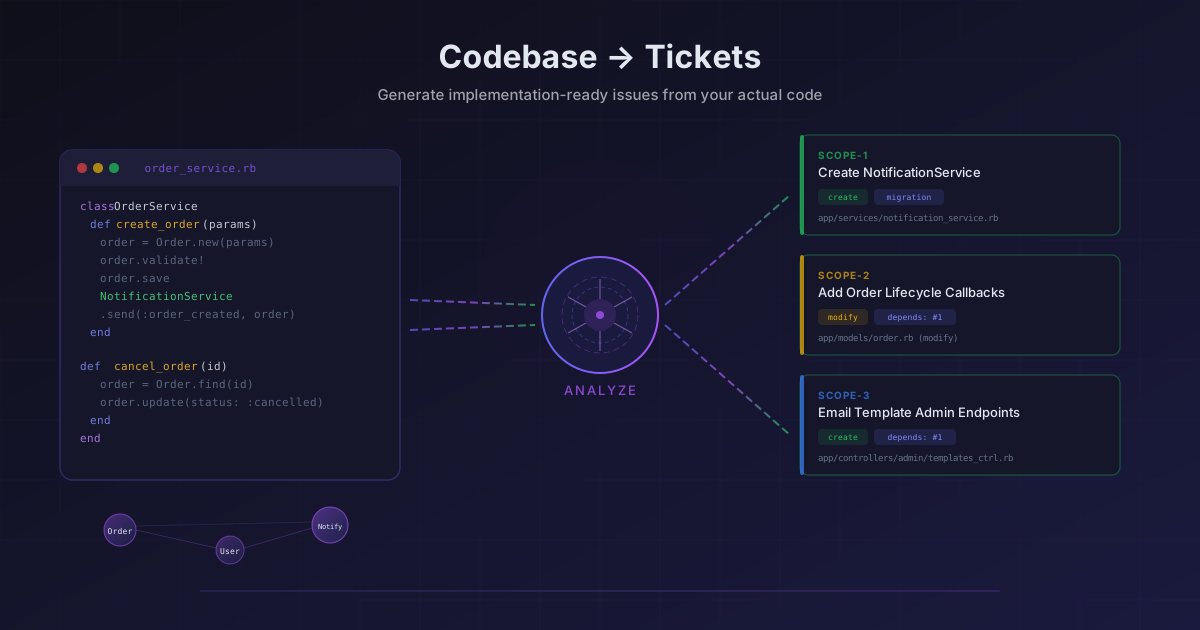
Scope liest deine Codebasis und verwandelt Feature-Beschreibungen in einfachem Englisch in Linear-fertige Tickets mit vollständigem Implementierungskontext — zu ändernde Dateien, Schemaänderungen, Abhängigkeiten und Akzeptanzkriterien.
Scope: Generiere implementierungsreife Linear-Tickets aus deiner Codebasis
Wenn du in einem Team gearbeitet hast, das Linear (oder irgendein anderes Issue-Tracking-Tool) nutzt, hast du diesen Ablauf wahrscheinlich schon erlebt:
- Ein PM oder Entwickler schreibt ein Ticket: „Füge E-Mail-Benachrichtigungen für Bestellungen hinzu"
- Ein Entwickler liest das Ticket, öffnet die Codebasis und verbringt 30 Minuten damit, herauszufinden, welche Dateien betroffen sind
- Wenn das Team KI-Tools wie Claude Code oder Cursor nutzt, verbrennt der Agent 10K+ Tokens allein beim Erkunden, bevor er auch nur eine Zeile schreibt
- Das Feature wird unvollständig ausgeliefert, weil das Ticket die drei bestehenden Models nicht erwähnt hat, die Callbacks brauchten, das Benachrichtigungs-Präferenzsystem, das hätte eingebunden werden müssen, oder die Admin-Endpoints zum Verwalten von Templates
Die Lücke zwischen Produktabsicht und Engineering-Umsetzung ist der Ort, an dem die meisten Teams Zeit verlieren. Nicht beim Programmieren — sondern in den Klärungsschleifen. „Wo lebt das in der Codebasis?" „Welche Models sind betroffen?" „Brauchen wir eine Migration?" „Was ist mit dem bestehenden Benachrichtigungssystem?"
Scope ist ein Tool, das gebaut wurde, um genau diese Lücke zu schließen. Du verbindest dein GitHub-Repo, beschreibst ein Feature in einfachem Englisch, und es generiert Linear-fertige Tickets, die mit Implementierungskontext geladen sind.
Was „implementierungsreif" eigentlich bedeutet
Ein typisches Linear-Issue hat einen Titel und eine von Menschen geschriebene Beschreibung. Scope generiert Tickets mit 32 strukturierten Feldern, darunter:
- Exakte Dateien zum Erstellen und Ändern — nicht „Backend aktualisieren", sondern
app/services/order_notification_service.rb(erstellen),app/models/order.rb(ändern) - Verwandte Entitäten und Endpoints — welche Datenmodelle beteiligt sind und wie sie zusammenhängen
- Schemaänderungen — welche Migrationen nötig sind
- Abhängigkeiten — welche Tickets zuerst ausgeliefert werden müssen und warum
- Akzeptanzkriterien — überprüfbare Bedingungen, kein vages „es sollte funktionieren"
- Implementierungsplan — geordnete Schritte innerhalb jedes Tickets
Du kannst diese direkt per CSV-Import in Linear exportieren oder als Markdown kopieren.
Wie es unter der Haube funktioniert
Wenn du dein GitHub-Repo verbindest, führt Scope eine dreischichtige Analyse durch:
1. Tree-sitter AST-Parsing
Scope extrahiert Entitäten, Endpoints, Beziehungen und Routes aus deinem tatsächlichen Code mittels deterministischem AST-Parsing. In dieser Phase ist keine KI im Spiel — nur schnelle, zuverlässige statische Analyse. Es unterstützt Ruby, Python, TypeScript, Go, Rust und weitere Sprachen.
2. Abhängigkeitsgraph + PageRank
Es baut einen Graphen darüber auf, wie dein Code zusammenhängt, und ordnet Symbole mittels PageRank nach Wichtigkeit. Wenn du nach einem Feature fragst, weiß Scope bereits, welche Services zentral für deine Architektur sind und welche peripher.
3. Semantische Interpretation durch ein LLM
Claude Sonnet interpretiert die strukturellen Daten, um zu verstehen, was dein Code in Business-Begriffen tut — welchen Mustern er folgt, welche Konventionen zu respektieren sind. Hier wird aus roher Codestruktur umsetzbarer Projektkontext.
Diese Analyse läuft einmal und produziert ein lebendes Modell deiner Codebasis. Scope speichert deinen Quellcode niemals — nur die extrahierten Metadaten. Wenn du später Tickets generierst, zieht es die relevanten Dateien in Echtzeit aus GitHub, sodass Tickets immer deinen aktuellen Code widerspiegeln.
Dann beschreibst du, was du willst:
„Füge transaktionale E-Mail-Benachrichtigungen für Bestelllebenszyklus-Ereignisse, Budget-Warnungen und Lieferantenverbindungen hinzu."
Und Scope zerlegt das in geordnete, abhängigkeitsbewusste Tickets mit vollständigem Codebasis-Kontext eingebaut.
Warum das für KI-gestützte Entwicklung wichtig ist
Hier wird Scope besonders interessant für Vibe-Coding-Workflows.
Wenn deine Entwickler Claude Code, Cursor oder Codex nutzen, ist der größte Zeitfresser nicht das Schreiben von Code — es ist der KI-Agent, der deine Codebasis erkundet, um Kontext aufzubauen, bevor er irgendetwas Nützliches tun kann. Scope schließt das komplett kurz.
Es stellt außerdem 12 MCP-Tools bereit, die einem KI-Agenten erlauben, Ticket-Kontext, Entitätsdetails und Abhängigkeitsinformationen direkt beim Programmieren abzurufen. Der Agent erkundet deine Codebasis nicht blind — er kennt die Architektur bereits.
Der Entwickler hat das an seinem eigenen Projekt selbst ausprobiert: Zwei Sätze haben 5 geordnete Tickets generiert. Claude Code hat sie abgearbeitet und 42 Dateien, 5 Services, 72 Tests und eine vollständige GraphQL-API produziert — ohne menschliche Steuerung während der Implementierung. Die Callbacks, Lifecycle-Hooks und Integrationspunkte, die KI normalerweise übersieht, wurden alle in der Ticket-Zerlegung erfasst.
Das große Ganze
Vibe Coding hat den Engpass verschoben. Code zu schreiben ist heute schnell. Was langsam ist, ist die Übersetzungsschicht zwischen „was wir bauen wollen" und „einer Aufgabenbeschreibung, die detailliert genug ist, dass ein Mensch oder eine KI sie tatsächlich ausliefern kann."
Tools wie Scope deuten auf eine Zukunft hin, in der die Planungsphase selbst KI-erweitert wird — nicht indem menschliches Urteilsvermögen darüber, was gebaut werden soll, ersetzt wird, sondern indem das mühsame Mapping davon, wie es mit dem Bestehenden verbunden ist, automatisiert wird.
Wenn dein Team mehr Zeit mit dem Klären von Tickets verbringt als mit deren Umsetzung, ist das einen Blick wert.
Was ist Vibe Coding?
Vibe Coding ist ein neuer Ansatz in der Softwareentwicklung, bei dem man KI per natürlicher Sprache anleitet, Software zu bauen.
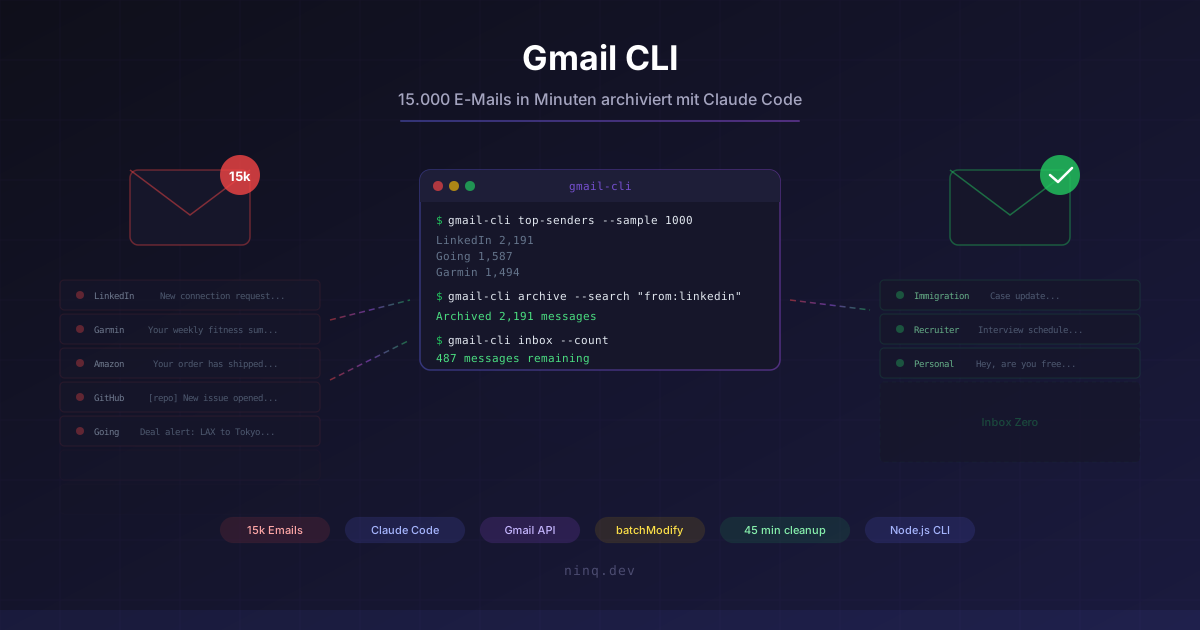
Gmail CLI mit Claude Code bauen – 15.000 E-Mails in Minuten archiviert
Wie man mit Claude Code einen Gmail CLI entwickelt, um den Posteingang per Kommandozeile zu verwalten und tausende E-Mails effizient zu archivieren.
Related Articles